About knitting gauge paper: rectangular grids for stitch-to-row ratios
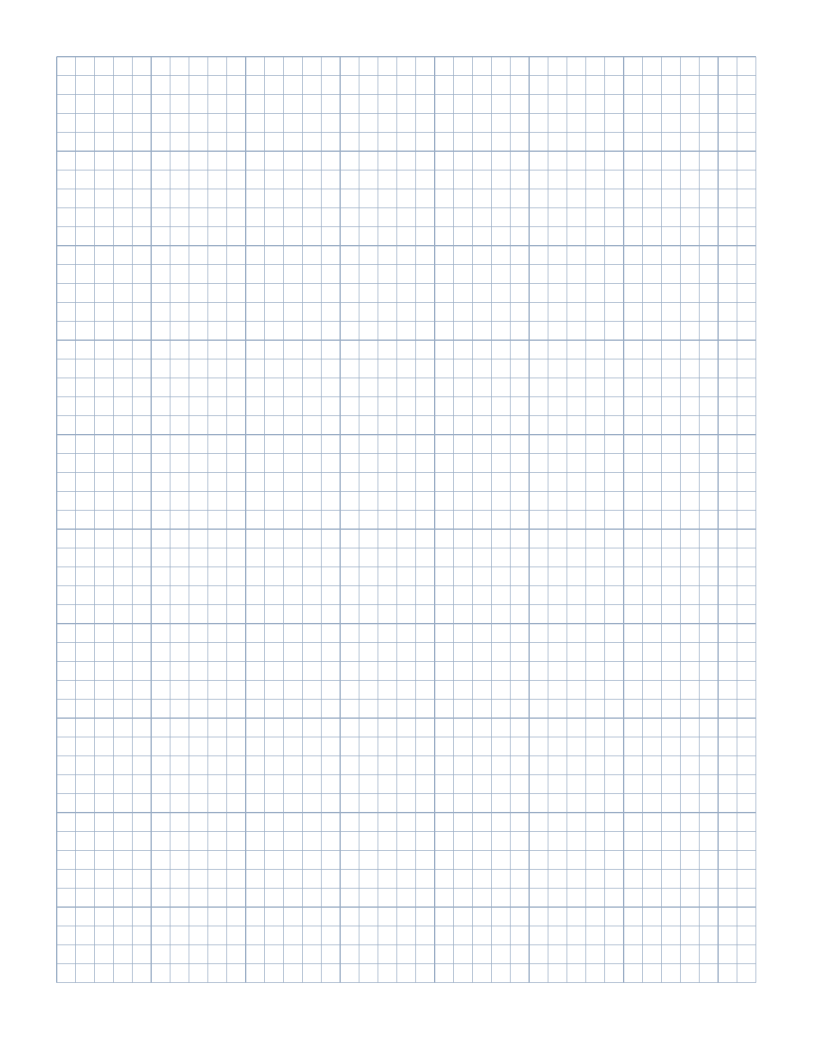
Knitting gauge paper provides specialized rectangular grid ruling tailored to the natural proportions of hand-knitted stitches. Because knitted stitches are naturally wider than they are tall, charting colorwork and texture on conventional square graph paper distorts the finished motif.
By customizing the width and height of each grid cell to match your personal gauge swatch, this printable paper ensures that Fair Isle patterns, intarsia pictures, and cable motifs appear on paper exactly as they will look in your finished knitted fabric.
Whether you are designing a stranded Nordic sweater yoke, charting a mosaic blanket, or plotting duplicate stitch lettering, non-square gauge grids provide an accurate visual preview that eliminates guesswork and surprises after blocking. It is an indispensable drafting companion for textile crafters, hand knitters, and machine knitters alike.
This page starts with Letter paper (215.9 × 279.4mm), 15mm page margins, and portrait orientation. The editor above shows your current configuration.
Why knitted stitches require non-square rectangular grids
Standard graph paper uses perfectly square cells where the width equals the height. However, hand-knitted stitches are rarely square; a knitted stitch is wider than it is tall because the interlocking loops of yarn flatten under tension. A typical stockinette stitch gauge is approximately four stitches to five rows, or a four-to-five aspect ratio.
If you chart a round motif, heart, or diagonal fair isle pattern onto square graph paper, the finished knitted garment will distort, appearing noticeably squashed and stretched horizontally. Knitting gauge paper uses non-square rectangular cells tailored to real stitch proportions, ensuring what you chart on paper matches what emerges from your needles. This custom grid preview saves hours of unravelling and recalculation.
Matching your swatches to stitch width and row height
Before designing a complex sweater motif or colorwork chart, knit a four-inch gauge swatch using your intended yarn and needle size, wash and block it, and measure the number of stitches and rows per inch. If four stitches equal five rows, your gauge ratio is four to five, corresponding to a five millimetre width and four millimetre height.
The generator allows you to set stitch width and row height independently in millimetres. By entering measurements that mirror your personal gauge swatch, every rectangular cell on the printed sheet mirrors the exact physical dimensions of one finished stitch in your knitted project.
Major grid lines and pattern repeat counting
Counting stitches across wide garments can strain your eyes when charting intricate motifs. The major guide setting highlights every fifth or tenth line with a heavier stroke weight, creating prominent five-by-five or ten-by-ten stitch reference blocks across the page.
These highlighted boundaries align with standard charting conventions in knitting publications and pattern books, making it simple to verify pattern repeats, calculate increases and decreases, and track center alignments without recounting every single stitch from the outer border.
Colorwork, Fair Isle, intarsia, and duplicate stitch
Knitting gauge paper is the ideal foundation for charting stranded colorwork, Fair Isle yokes, intarsia pictorial blocks, textured knit-purl cables, and duplicate stitch embroidery. Each rectangular box represents a single stitch, allowing you to fill cells with colored pencils, markers, or traditional charting symbols.
Because the vertical and horizontal proportions are true to life, curves appear smooth and geometric diamonds maintain proper diagonal angles when translated from your pencil chart into real hand-knitted fabric.
Printing recommendations for knitwear designers
Always print your knitting gauge paper at Actual Size or one hundred percent scale to guarantee that the cell proportions remain exact. Scaling the page in your print dialog can alter the aspect ratio and distort your carefully calculated stitch-to-row relationship.
Choose soft, muted line colors in the settings panel so that your colored pencil symbols and pattern notes remain the focal point of the sheet. Keep a collection of customized gauge sheets for your favorite yarn weights and needle combinations in a project binder.
Download and print without changing the measurements
Use PDF for a clean printable file with vector lines and the selected physical page size. Match the loaded paper to the document, choose Actual Size or 100%, and disable automatic fit or shrinking. The on-screen preview is scaled, so it is not a physical ruler. Print one test sheet before preparing multiple copies, and measure the optional 50mm check marker if you need to check scaling.
SVG provides one editable vector sheet, while PNG supplies a single raster image at a documented 150 DPI. Other apps may assign an imported image a different physical size. For predictable printing, prefer the PDF and follow the printing guide. The file can preserve measurements, but the site cannot change printer-driver settings or verify a physical print.
Keep a useful configuration for next time
Save a named configuration in My papers when you want to reuse it. Storage is local to this browser and device, so export a JSON backup if the layout matters. You can also combine saved snapshots in a paper pack.